
Joe Biden’s poll ratings have been steadily dropping from the mid-fifties, when he became President, to now in the low forties. Here is my evaluation of his performance:
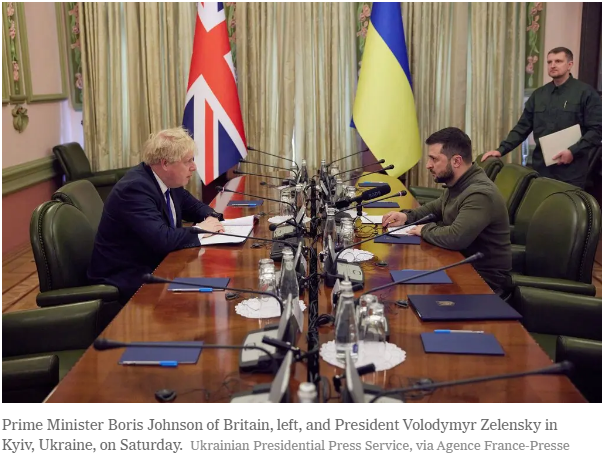
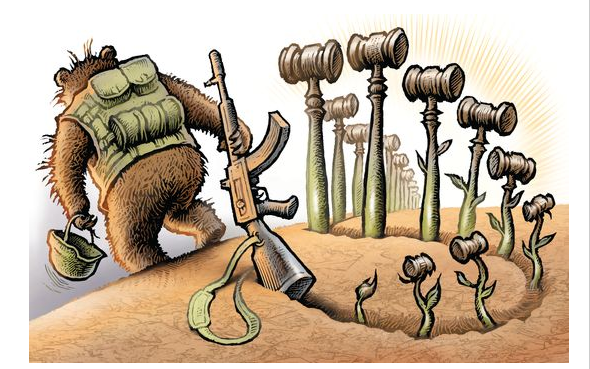
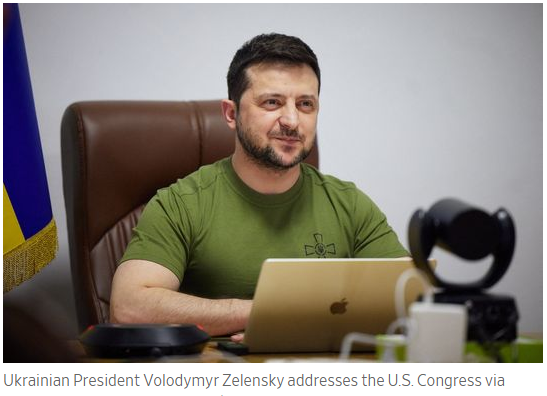
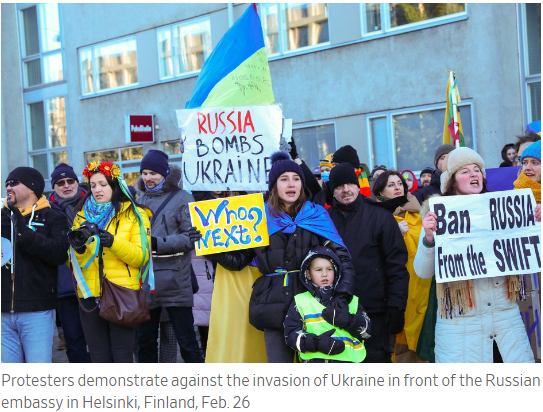
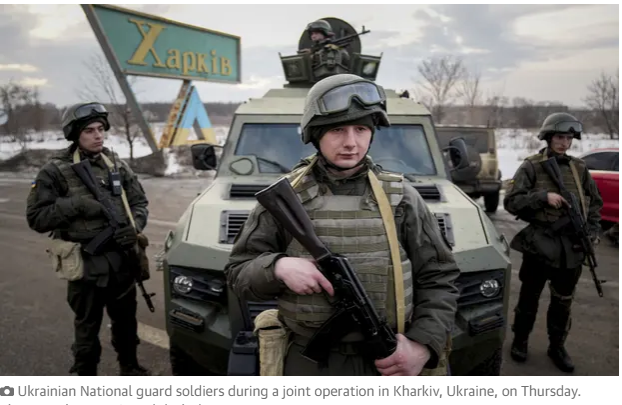
- Biden is handling the Ukrainian situation very well. Ukraine wants to be free and independent from Russia and it is important for the U.S. and its allies to provide as much military support as possible to resist the Russian invasion without putting troops on the ground. Many NATO countries, encouraged by Biden, are also providing military weapons and supplies. Even though Ukraine is not a member, NATO is still heavily involved, and rightly so, in helping Ukraine defend itself.

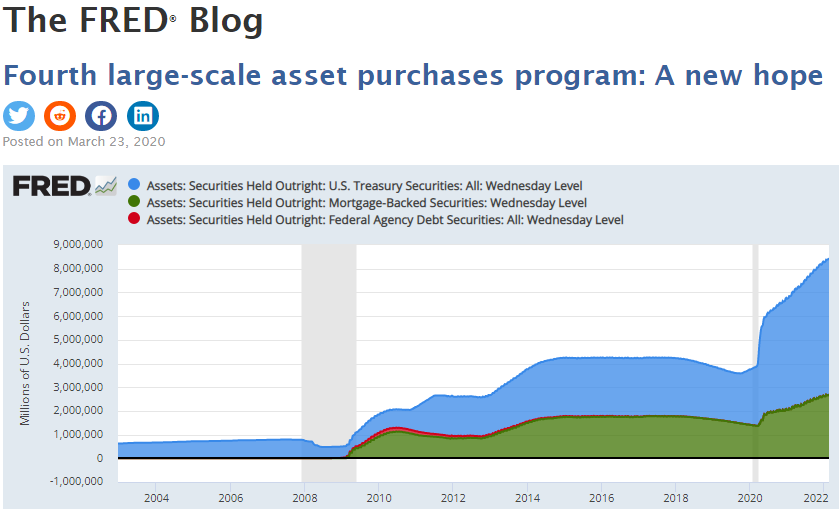
- Inflation is increasing at an annual rate of 8.5% (as of March 2022). Although there are several underlying causes of inflation (massive deficit spending by Congress, quantitative easing by the Fed), it is the $3 trillion excess spending under Biden ($1.9 trillion for the American Rescue Plan and $1.1 trillion for infrastructure) that has tripped off the current surge. Other than holding back on additional unnecessary spending (unnatural and unlikely for Democrats), there really isn’t anything Biden can do about it. The Fed will have to raise interest rates significantly to slow the economy in order to bring the inflation rate down. Of course, this may set off a recession but that may be what it takes to stop inflation. In the meantime, inflation is a significant burden on the working class.
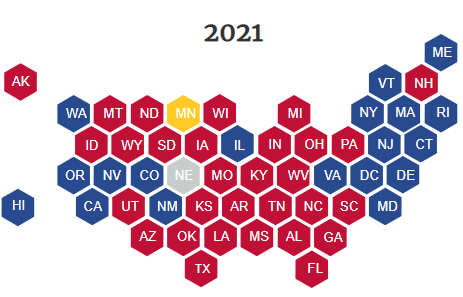
- Culture Wars. The progressive left, with Biden’s at least tacit if not overt support, is pushing a radical K-12 education agenda of gender ideology and critical race theory. There is huge grassroots opposition to these measures, as already apparent in the 2021 off-term elections around the country.
- Southern Border. There are now over 200,000 immigrant apprehensions at our southern border each month. Most of these illegal immigrants claim asylum and are given temporary visas to remain in the U.S. until their cases are adjudicated by an immigration judge. There is much opposition to such lax immigration procedures, even from some Democratic members of Congress.
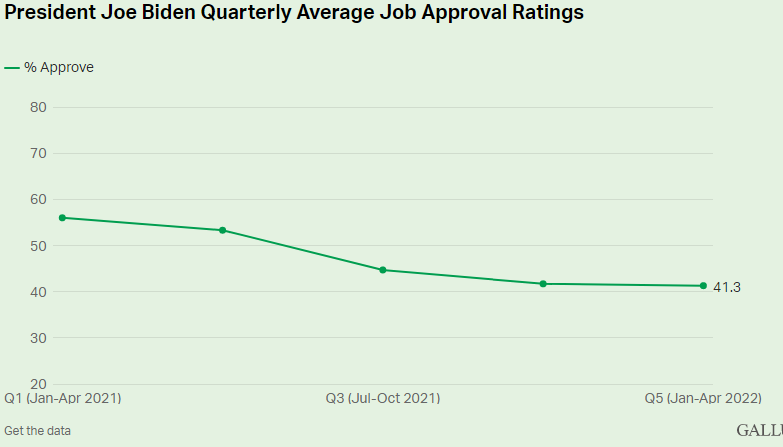
Conclusion. On foreign policy, after a disastrous withdrawal from Afghanistan, Joe Biden is now doing well in responding to the Ukrainian invasion crisis. Where ha has fallen down badly, as reflected in his steadily dropping poll numbers, is on domestic issues, especially concerning inflation. The inflation rate will probably level off soon but is unlikely to drop very fast. In other words, the price of gasoline, for example, is likely to keep on rising indefinitely. This reminds everyone on a daily basis of how bad inflation is. The culture wars and “open” southern border are also damaging Mr. Biden’s support. All of these factors will be reflected in the November 2022 midterm election results.
Sign-up for my Email Newsletter
Follow me on Facebook
Follow me on Twitter









 It Does Not Add Up