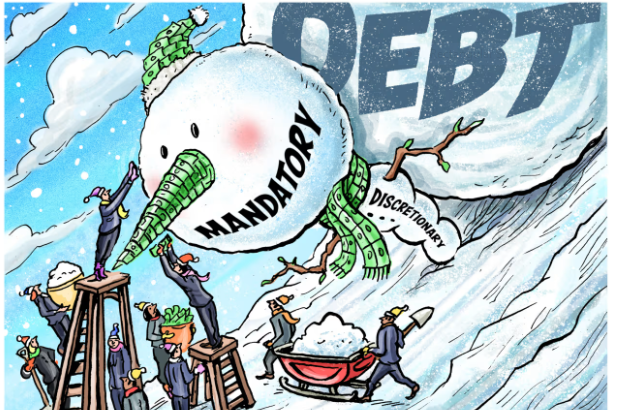
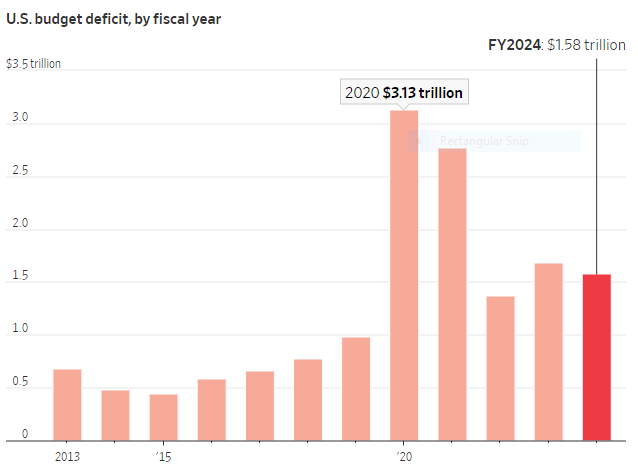
On this blog, It Does Not Add Up, I discuss various issues such as the strength of U.S. and world democracy, the U.S. economy, and other major concerns. The biggest problem our country faces by far is our enormous national debt, now exceeding $36 trillion, and our rapidly growing annual spending deficits, most recently $1.85 trillion for FY2024. In a recent post, I discussed several general ways of reducing the annual deficit, such as closing tax loopholes, requiring able-bodied welfare recipients to work, and encouraging federal employee layoffs.
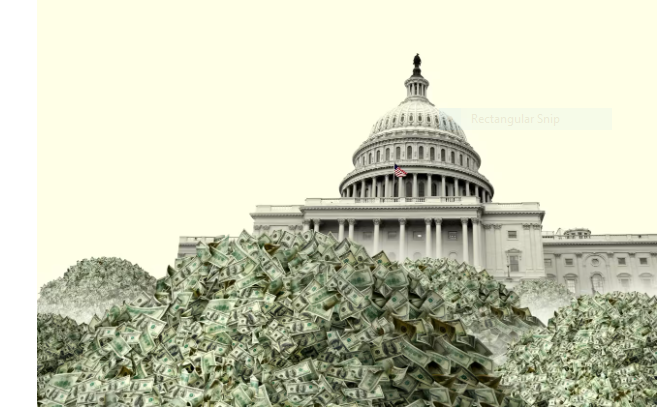
Now, as Donald Trump begins his second term, the budget situation has become more focused:
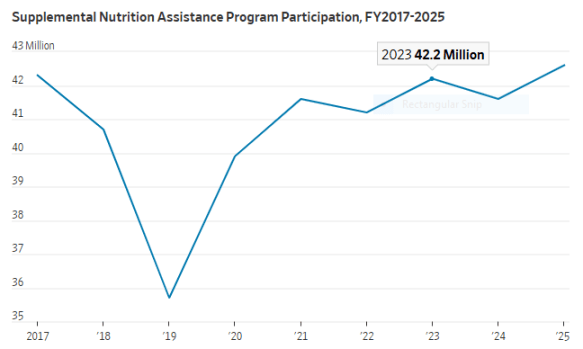
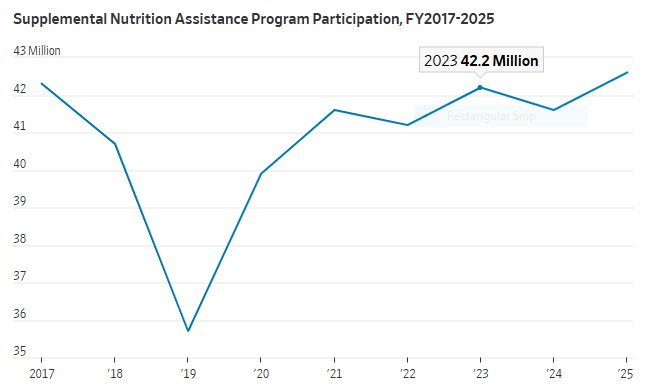
- Even though the unemployment rate has now shrunk to 4.1%, 42.6 million Americans still receive food stamps, similar to January 2021, at the height of Covid. This number is clearly excessive.
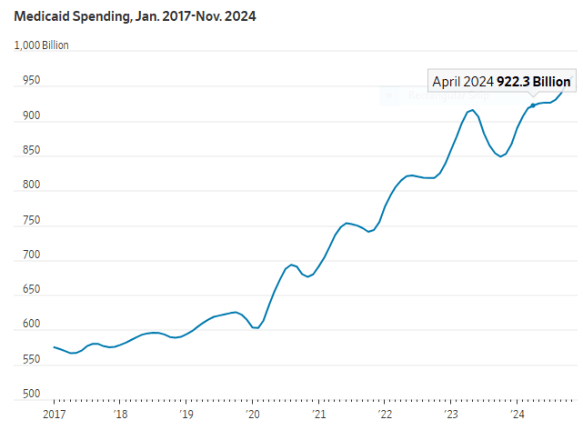
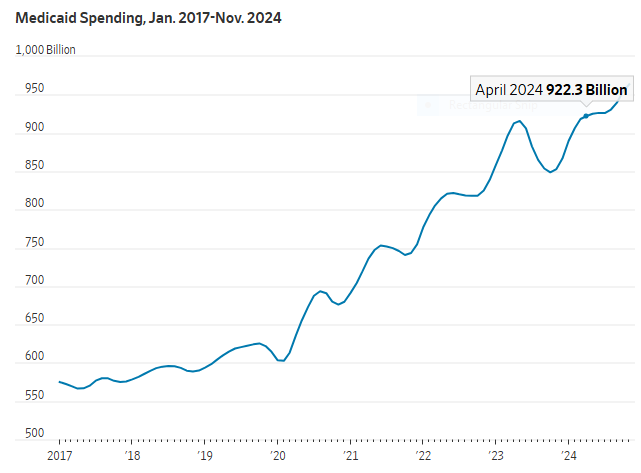
- There are now 84.6 million Americans enrolled in Medicaid, the same number as when President Biden entered office. Simply returning to pre-pandemic Medicaid spending levels would generate a savings of $1.4 trillion over a decade.
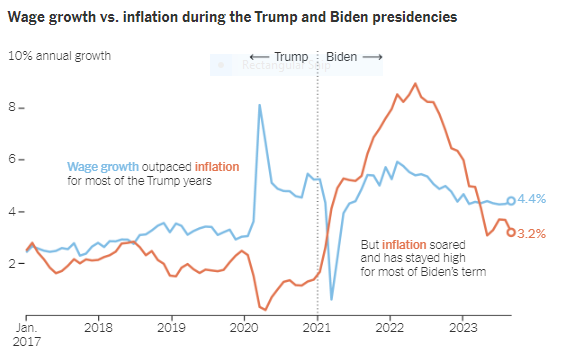
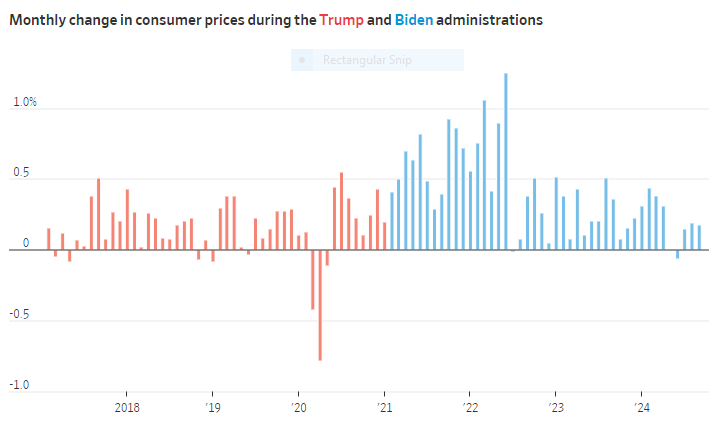
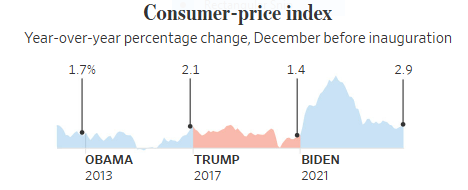
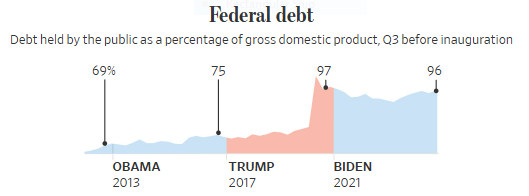
- Both the consumer-price index and the federal debt rose dramatically under President Biden. These are closely related very serious long-term problems.
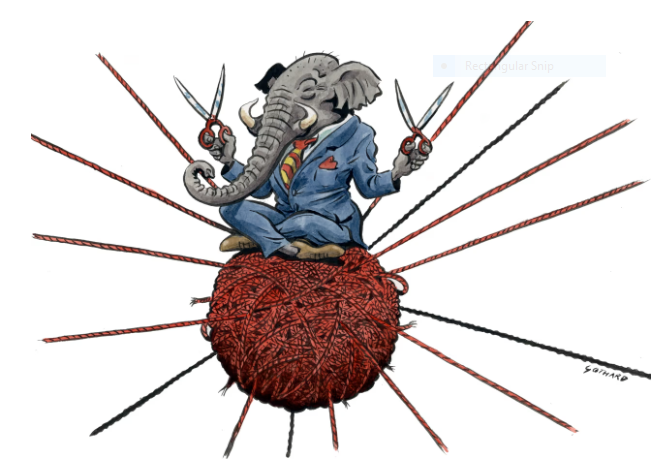
- Federal workers have now been ordered to return to the office or accept an eight-month buyout by February 6. It is estimated that at least 10% of federal employees, approximately 200,000, will accept the buyout.
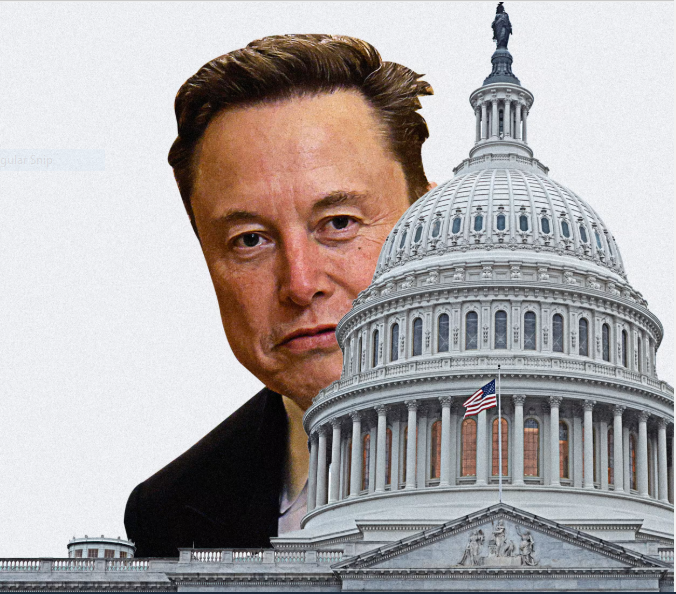
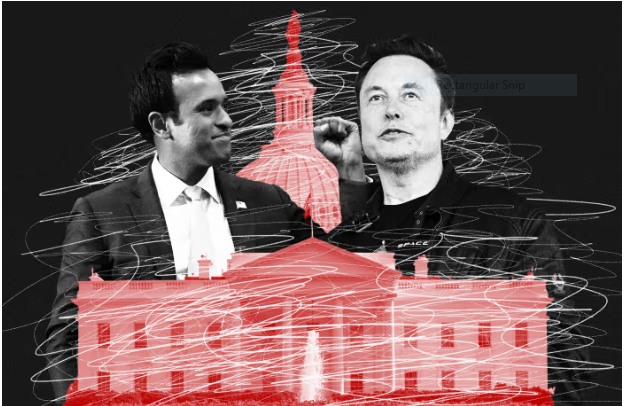
- Elon Musk, the head of DOGE (Department of Government Efficiency), says that he can cut $4 billion a day from the federal budget between now and the end of September 2025, and by a total of $1 trillion for FY2026, which begins October 1, 2025.
Conclusion. Thanks especially to tech entrepreneur Elon Musk, we can look forward to big cuts in federal spending over the next year. This is critical for getting our national debt under control. It is also needed to help the Federal Reserve get inflation back down to the desired 2% level. This cannot be done without the major fiscal restraint that Elon Musk is determined to bring about.
For my Email Newsletter
Follow me on Facebook
Follow me on Twitter