
On this blog, I discuss important national issues, often focusing on economic and fiscal matters. Lately, I have explained why I think the U.S. is such a strong country, describing various components of this strength. Today, I describe another aspect of our strength: the relative weakness of our autocratic adversaries (China, Russia, Iran, and North Korea). Consider:
- China needs an economic relationship with the U.S. It has the second-largest economy in the world, but it can’t absorb the sheer amount of goods it produces. Therefore, it relies overwhelmingly on exports and cannot afford hostile relations with the U.S. It is therefore unlikely to try to take Taiwan by force.
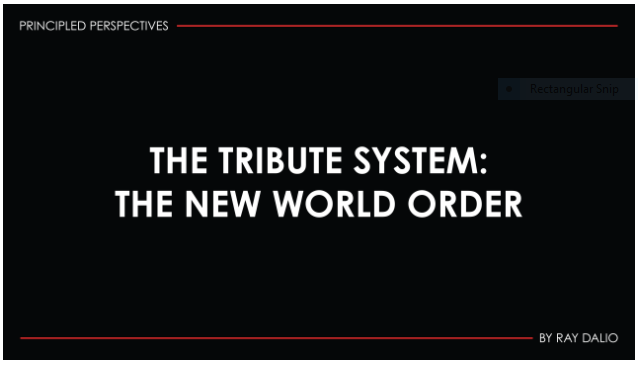 However, to some extent, “Chinese leaders no longer seem to view U.S. pressure on trade and technology as grave threats demanding compromise.” The U.S. can counteract this Chinese hubris with a combination of deterrence and the restoration of human connections.

In addition, “AI is bound to subvert communism.” “China seeks to control it, but the idea of freedom is baked into its training on all human knowledge.”

- Russia. The war in Ukraine is greatly weakening the Russian economy. Inflation is rampant, and gas shortages are increasing. “A pressure campaign using sanctions and enforcement could compel Putin to reach a meaningful peace.”
- Iran is gradually being forced to agree to permanent nuclear disarmament and to keep the Strait of Hormuz open to international traffic.
- North Korea is a nuisance but not a real threat to world peace. If it were to fire nuclear missiles at the U.S., they would almost surely be destroyed by our missile defense system.
Conclusion. The U.S. has several autocratic adversaries (China, Russia, Iran, and North Korea). However, their relative economic and military weaknesses mean that they are not a big threat to overall U.S. hegemony. Even our strongest rival, China, has sufficiently big economic problems that it can’t afford hostile relations with the U.S.
Follow me on Twitter
Follow me on Facebook

