
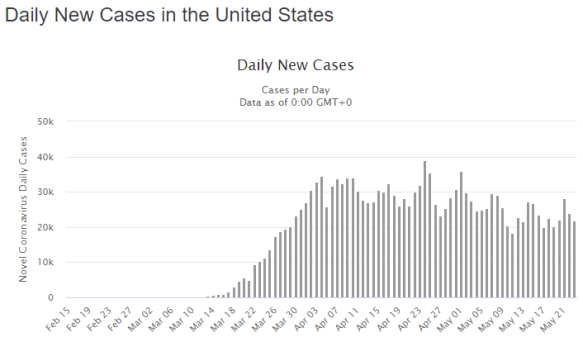
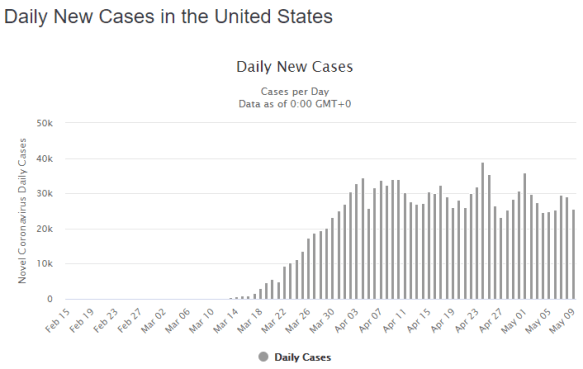
2020 has been a year like none other in recent memory. The unemployment rate jumped from 3.5% in February to 14.7% in April. New coronavirus infections settled down to 20,000 per day in May and now have spiked as high as 50,000 per day. Race riots flared up in early June with demands to “defund the police.” As expected, China has finally cracked down on freedom of expression in Hong Kong. Is the world, and especially the U.S., falling apart? There certainly are plenty of people who think so!

But let’s take a sober look at what’s good and what’s bad about life in mid-2020 both in the U.S. and around the world. First, the negative:
- The coronavirus pandemic. It originated because of inadequate public health procedures in Wuhan, China, and is still rapidly spreading around the world. New infections appeared to be under control in the U.S. at 20,000 per day but have now spiked as high as 50,000 per day. At this point, we badly need an effective vaccine to quickly arrive on the scene.

- The U.S. economy has been badly hurt with millions of workers being laid off by forced government business closures.
- The U.S. national debt outlook, already horrible before the pandemic, is now even worse!
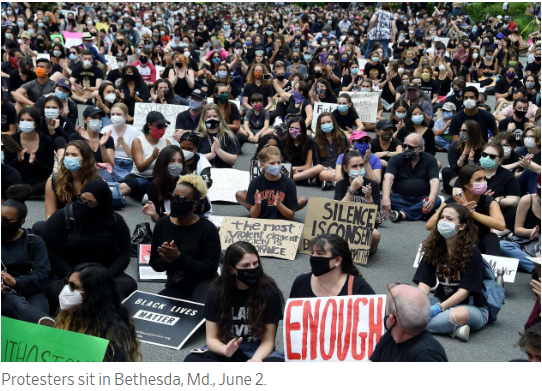
- Race riots around the country as the result of the brutal killing of George Floyd by a Minneapolis police officer. This has led to all sorts of different suggestions for how to address racism in America.
But the highly unfortunate events so far this year need to be kept in perspective by comparison with the positive things that are also happening:
- Freedom and democracy are thriving around the world. Freedom House data show that, despite today’s big challenges, the world today is far more free than unfree. We can never take freedom for granted but it is alive and well today, both in America and many other parts of the world.

- The U.S. economy appears to be bouncing back quickly from a deep recession. The unemployment rate dropped to 13.3% in May and then 11.1% in June. The huge spike in new daily infections need not slow down this rapid recovery (more later).
- The U.S. debt problem, as awful as it is, is still solvable. As soon as we are confident that the pandemic is under control and receding, it will be time to focus hard on fixing the debt.
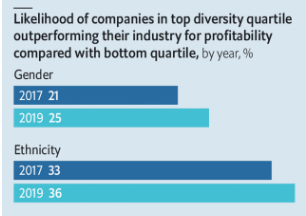
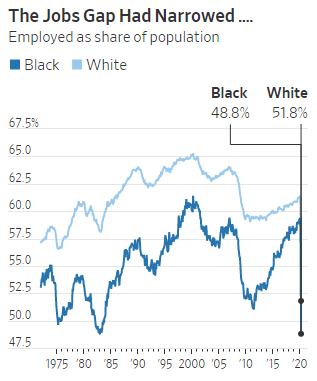
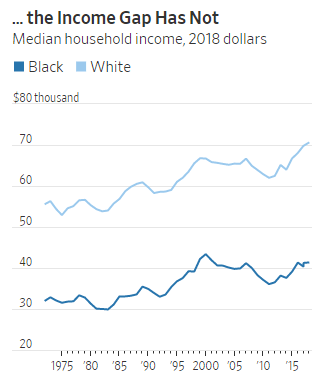
- Progress on racism. In spite of the latent racism in the U.S., it is important to be aware of the significant economic advances having been made by blacks in recent years. See here and here.
Conclusion. Yes, there are many problems in the world in mid-2020. But we will get past the pandemic in the coming months. Then our country’s fundamental economic and social strengths will again be quite apparent. On Independence Day 2020 we should all be proud and grateful to be an American!
Sign-up for my Email Newsletter
Follow me on Facebook
Follow me on Twitter











 It Does Not Add Up