As stated by the Hoover Institute’s Edward Lazear, “In rich countries around the world, the top half of the income distribution has been pulling away from the bottom half. Productivity growth among high-wage workers, driven by technological change, is the reason.”
Many people think that American capitalism is broken. They say that there is too much inequality, too much wealth for too few and too much greed. Some CEOs say that there should be less emphasis on short term profits and more emphasis on treating employees better.

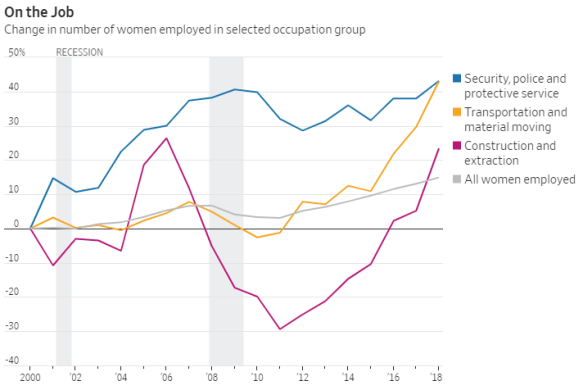
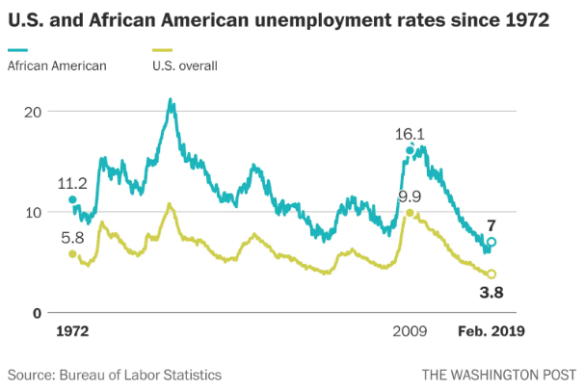
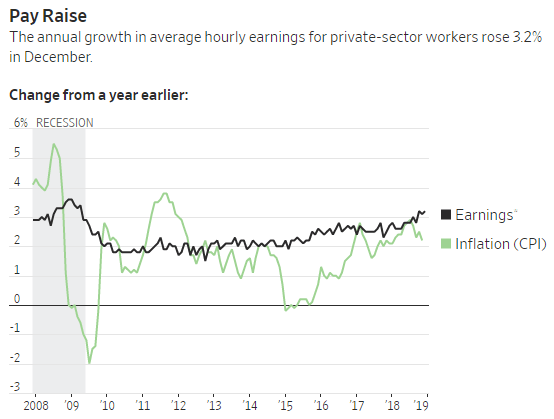
Right now our economy is growing at a rapid clip and unemployment is at a 50 year low of 3.6%. Not only does this mean more choices for job seekers and higher wages for most workers, it also means many new opportunities for under-served populations such as women and minorities.
Worker productivity rose 2.4% in the first quarter of 2019, compared to a year ago. This is the fastest year-over-year growth since 2010. There is now a huge shortage of high skill workers in the U.S., along with excellent pay for entry level jobs.
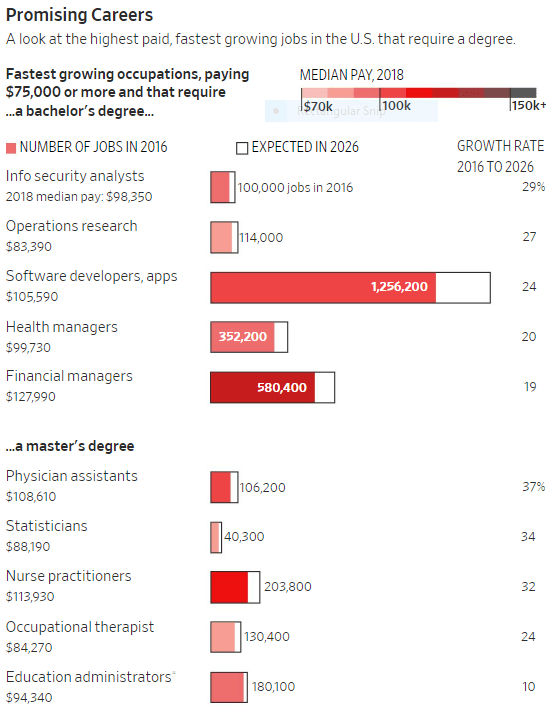
Some people worry that the development and spread of artificial intelligence will eliminate jobs for many workers. But it sure hasn’t happened yet. Right now labor markets are getting tighter, not slacker. Obviously what our economy needs is more skilled workers at all levels, whether it be with high school degrees, associate degrees, bachelor’s degrees or postgraduate degrees.
Summary. There is indeed increasing income inequality in the U.S. and around the world. The reason for this growing inequality is a combination of globalization and the advance of technology. The people with the most education and the highest skill levels are pulling away from the rest. The best way to fix it is not to pull down the wealthy but to raise up the non-wealthy. To accomplish this we need better and more relevant education at all levels.




 It Does Not Add Up