
I normally take what I consider to be a straightforward non-ideological approach to solving our country’s major problems. But in my last post, “The Fractured Republic,” I consider a larger framework constructed by the writer, Yuval Levin, who argues that both conservatives and progressives are stuck in nostalgia for a mid-twentieth century way of life to which it is impossible to return. As Mr. Levin points out, the last 100 years of American life have seen a consistent pattern of
- Drawing together and then pulling apart. Three particular aspects of this phenomenon are pictured in the three charts below concerning immigration, political polarization and income inequality.
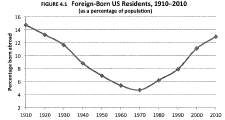
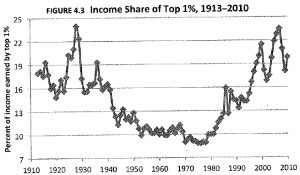
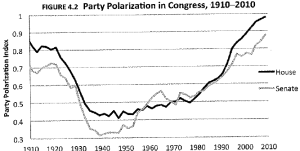
- Midcentury America straddling two broad trends: a consolidated society actively combatting some of its least attractive downsides like institutional racism, sexism, cultural conformity and a dearth of economic freedom.
- A diffuse and still diffusing democracy. The problems we face today are the price of progress. In liberating many individuals from oppressive social constraints, we have unmoored them from their communities, work and faith. In accepting a profusion of options, we have unraveled the established institutions of an earlier era.
- Hollowing out of the middle layers of American society has resulted from the diffusing and polarization of our national life. Solutions need to involve a recovery of these middle layers by means that are consistent with diffusion, diversity and decentralization.


These four conclusions about the current state of our society point towards an agenda for renewal:
- The left will have to accept that the modern U.S. economy is decentralized, with diminished union power, higher income inequality, where cultural and economic pressures work against class mobility and large, centralized federal programs are a poor fit.
- The right will have to accept that modern American society is highly diverse, individualistic, dynamic and deconsolidated where a significant degree of cultural fracturing, family breakdown and estrangement from tradition and religion is a fact of life.
Conclusion: Very succinctly, American social and economic progress in the future will require conservatives to accept ever expanding cultural pluralism (e.g. gay marriage and transgender rights) and progressives to accept a greater degree of economic freedom and decentralization.
Follow me on Twitter
Follow me on Facebook

 It Does Not Add Up