Lately, on this blog, I have been discussing the continued need for U.S. world leadership. We have been providing such leadership since the end of WWII and our leadership has been the main factor in preserving the stability and relative peace that has prevailed in the world since then.

But now the U.S. needs a new strategy, that understands that it remains a formidable power but operates in a far less quiescent world. Our challenge is to run fast but not scared. The analyst, Fareed Zakaria, has described how the U.S. can step up and achieve an enhanced role in world affairs. Consider:
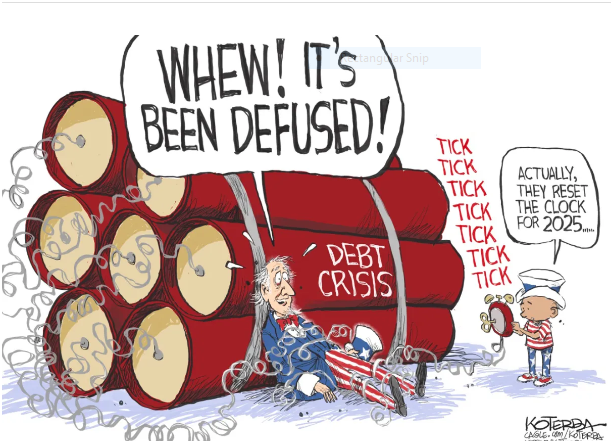
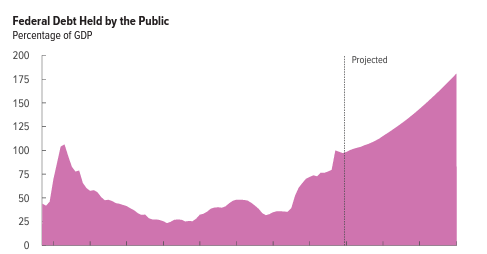
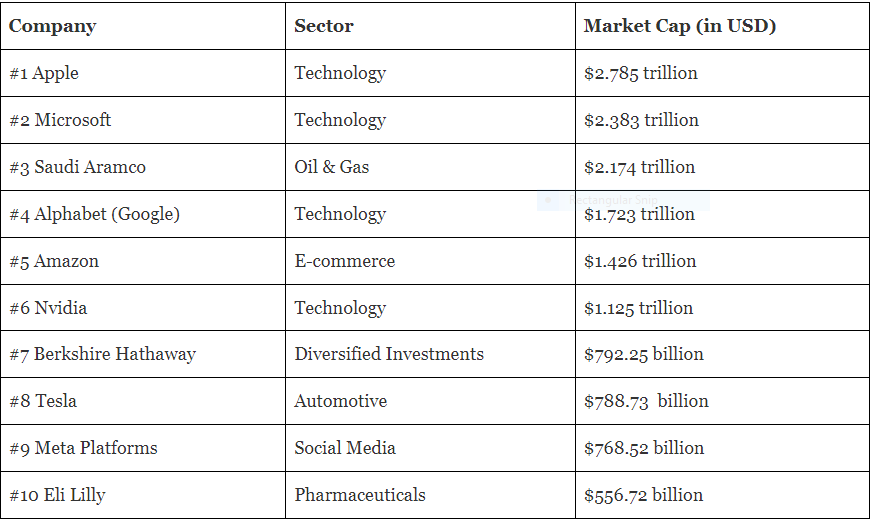
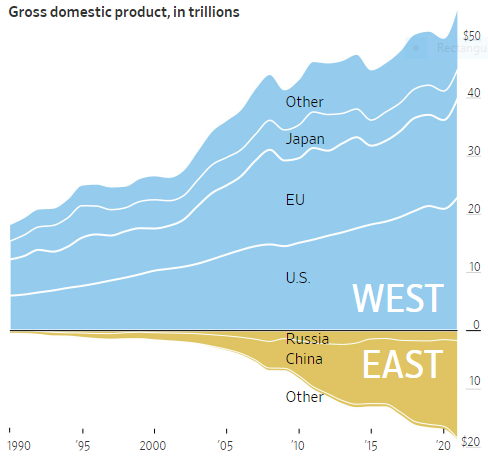
- The U.S. is now stronger than ever. In 2008, the American and eurozone economies were roughly the same size. Now the U.S. economy is nearly twice as large as the eurozone. Of the ten most valuable companies in the world in 1989, only four were American, and the other six were Japanese. Today, nine of the top ten are American. Today, the U.S. is the world’s largest producer of oil and gas, larger even than Russia or Saudi Arabia. The dollar remains the currency used in almost 90% of international transactions. The country has a high debt load and rising deficits. But its total tax burden is low compared with those of other rich countries.

- Between worlds. Despite its strength, the U.S. does not now preside over a unipolar world. Today, the U.S. faces a world with real competitors and many more countries vigorously asserting their own interests. But the U.S. remains the single strongest country when adding up all hard-power metrics. China is our main competitor but its power has limits, beyond shrinking demographics. It has just one treaty ally, North Korea, and a handful of informal allies, such as Russia and Pakistan. The U.S. has dozens of allies.
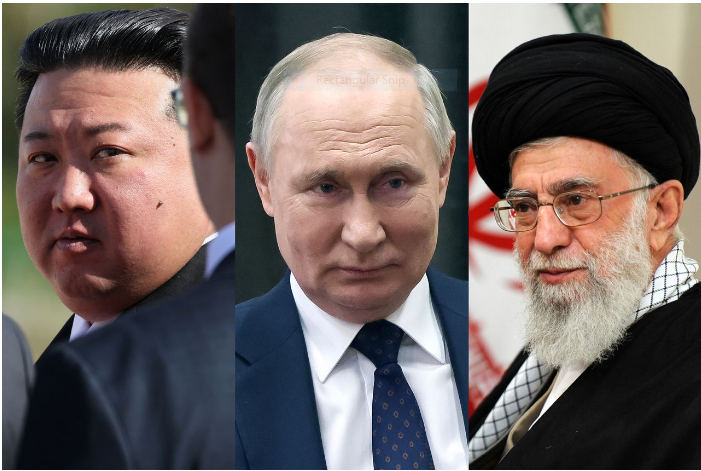
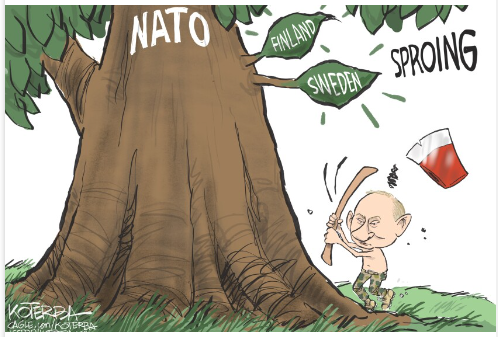
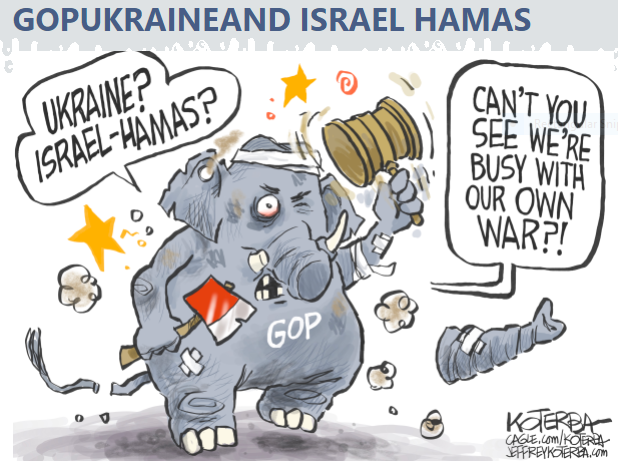
- The new disorder: the invasion of Ukraine and the Israel-Hamas war. In attempting to conquer Ukraine, Putin miscalculated, but it was not a crazy move since his previous incursions had met with little resistance. Iran has now spread its influence into Iraq and Syria, and supported Hamas in its war with Israel. But this, in turn, has brought Saudi Arabia and Egypt closer to Israel. Saudi Arabia is also becoming closer to China, its largest oil customer.
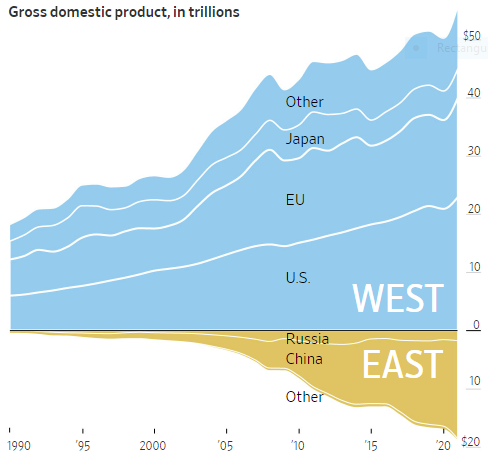
- Staying Power. The international order that the U.S. built and sustained since WWII is being challenged on many fronts. But the U.S. is still the most powerful player in that order. The “free world” coalition that fought and won the Cold War has now expanded into the coalition supporting Ukraine’s military or enforcing sanctions against Russia, which includes almost every country in Europe, as well as a smattering of other states. Overall, this “West Plus” encompasses about 60% of the world’s GDP and 65% of global military spending. The challenge from China is a different one. China is now a superpower. But China is not a spoiler state like Russia. It has grown rich and powerful within the international system and is uneasy about overturning this system. China is searching for a way to expand its power. The U.S. should accommodate legitimate efforts in this respect.

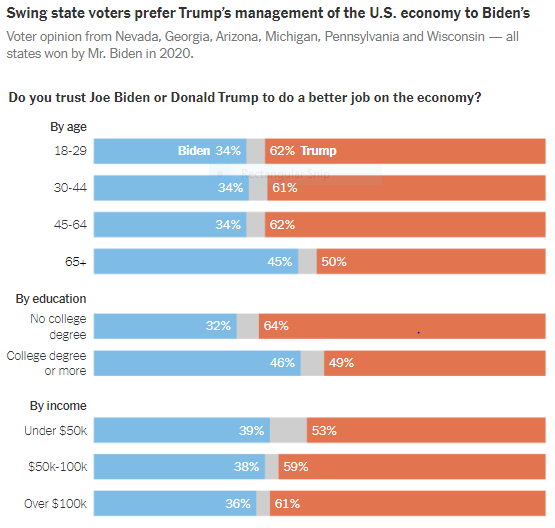
- The danger of declinism. Washington’s alliances in Asia and elsewhere act as a bulwark against its adversaries. For that reality to continue, the United States must make shoring up its alliances the centerpiece of its foreign policy. The greatest flaw in Trump’s and Biden’s approaches to foreign policy derives from their similarly pessimistic outlooks. Both assume that the U.S. has been the victim of the international economic system that it created, and that the U.S. cannot compete in a world of open markets and free trade.
- Keep the Faith. But the GATT system created right after WWII was designed to let poor countries grow rich and powerful, making it less attractive to wage war and to try to conquer territory. Much of the appeal of the U.S. has been that we have never been an imperial power on the scale of the UK or France. The world order created was good for the U.S. but also good for the whole world. It sought to help other nations rise to greater wealth, confidence, and dignity. That remains the United States’ greatest strength. The most worrying challenge to the rules-based international order does not come from China, Russia, or Iran. It comes from the U.S. itself.
Conclusion. If the U.S. truly turned inward, it would mark a retreat for the forces of order and progress. Washington can still set the agenda, build alliances, help solve global problems, and deter aggression, even while using limited resources, well below the level it spent during the Cold War. For all of its internal difficulties, the U.S. above all remains uniquely capable and positioned to play the central role in sustaining this international system.
For my Email Newsletter
Follow me on Facebook
Follow me on Twitter









 It Does Not Add Up