
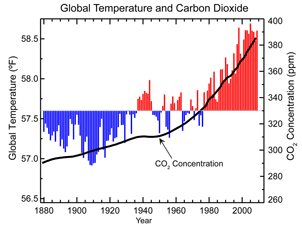
The evidence for man-made global warming is now overwhelming. For example:
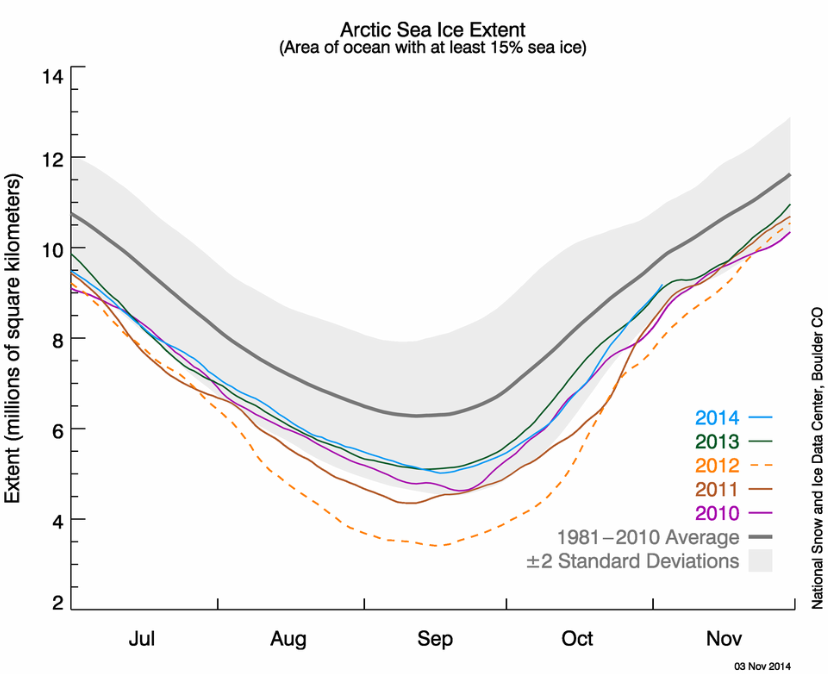
- The extent of artic summer sea ice is steadily shrinking.
- The world’s oceans are getting warmer.
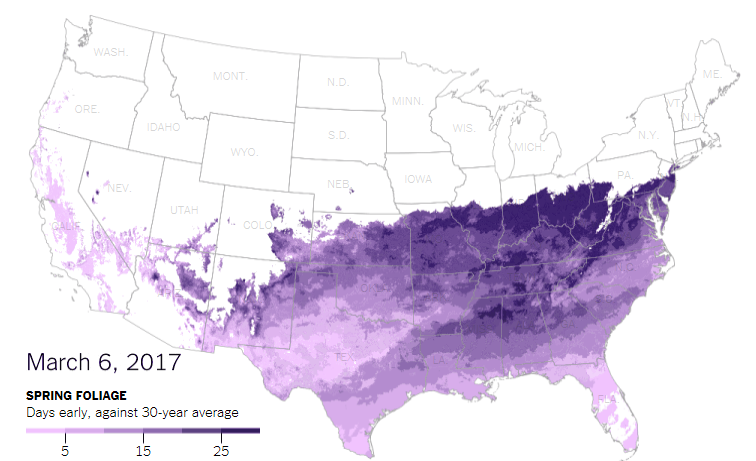
- Spring in the U.S. is coming sooner each year on average.

The three biggest carbon emitters in the world are China, the U.S. and India in that order. But what is also true, and not sufficiently well appreciated, is that carbon emissions in the U.S. are dropping while they are still increasing in China and India:
- In the 2015 Paris climate agreement, China pledged that it would start reducing carbon emissions by 2030 but, in the meantime, is still continuing to open coal burning power plants.
- In the U.S. carbon emissions have been steadily decreasing since 2000 (see chart).

- In India the economy is growing at 7% per year and 240 million people still lack electric power. This means that carbon emissions from coal burning are likely to double in the years ahead.

Coal use in the U.S. will continue to drop with or without enforcement of the Obama era Clean Power Plan because natural gas is now so plentiful and so much less expensive than coal. The best way for the U.S. to continue showing leadership in combatting global warming is for it to adopt a revenue-neutral carbon tax. This would let the market sort out which type of energy is the cleanest and most efficient in meeting our country’s growing energy needs. In fact a carbon tax might even be beneficial for the coal industry by creating a strong incentive to develop carbon capture and storage technology.
Conclusion. Most Americans now agree that global warming is real and that this presents a huge threat to human civilization. It is likely that a revenue-neutral carbon tax will be adopted by our country in the near future.




 It Does Not Add Up
