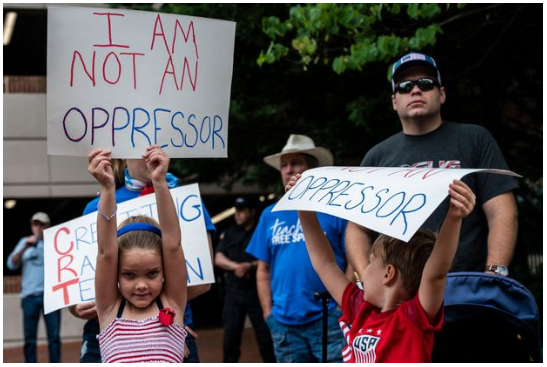
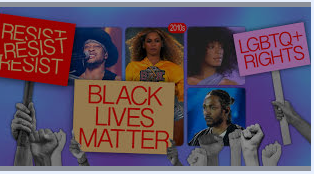
My last post criticized Critical Race Theory as being dangerous for America because, if taken too seriously, it would lead to racial regression rather than racial progress. The same thing is true for the Black Lives Matter movement. So how does America move forward on race relations?
Let’s start with where we are now and try to visualize how progress can be made going forward:
- CRT and BLM, for all the negative repercussions they can generate, have made one important contribution to racial progress: they have raised public awareness of the challenges faced by African-Americans in today’s society. They face the remnants of systemic racism in the past which existed up until the 1960s and 70s. They also face economic challenges resulting from inferior educational outcomes.
- How does America address these challenges? First, we agree that there is a real problem which society should address. Then, hopefully, we acknowledge that we have to move past CRT and BLM in order to achieve actual progress. In fact, we need to continue to emphasize the tried and true American values of equal opportunity and individual initiative. There are many things we can do along these lines.
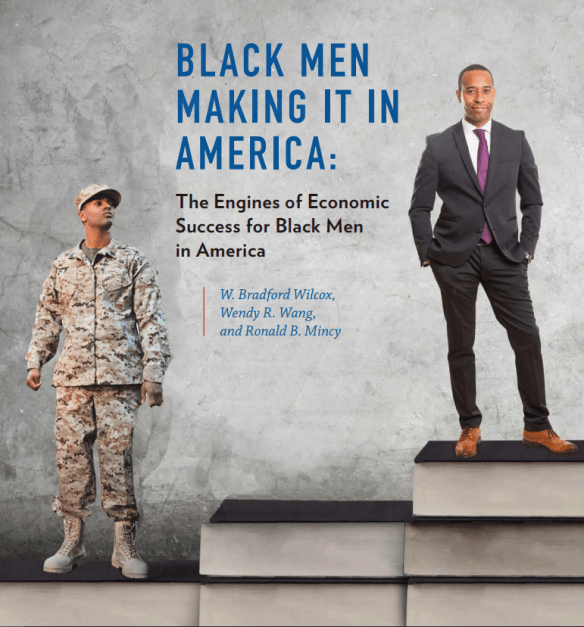
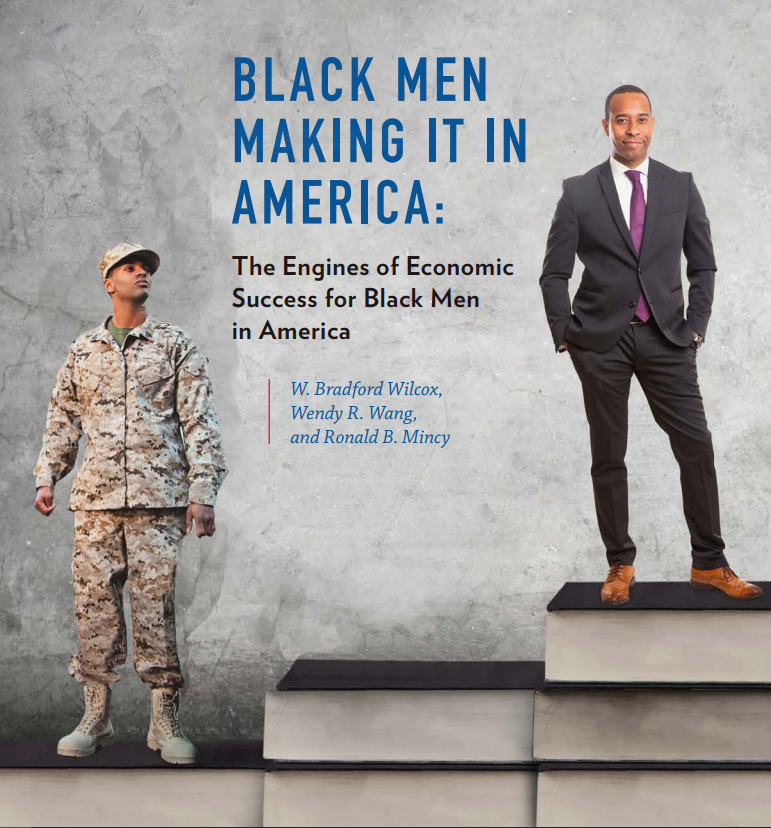
- First of all, recognize that African-Americans are already making great social and economic progress. For example, 57% of black men have made it into the middle class or higher as adults today, up from 38% in 1960. The share of black men who are poor has fallen from 41% in 1960 to 18% today.
- Secondly, expand public policies designed to boost the economic prospects of all low-income Americans such as:
- Early childhood education. There is a significant academic achievement gap between middle-class kids and kids from low-income families. An effective way to improve educational outcomes for low-income kids is through early childhood education. This means intensive intervention with low-income kids at least by age three, if not younger, to make sure they are ready to succeed academically when they get to kindergarten and first grade.
- Enhanced economic opportunity. The Brookings Institute and the American Enterprise Institute have put together an excellent proposal for improving economic opportunity for all members of the working class. What is needed is a social contract emphasizing the centrality of work but also making it more fulfilling for blue-collar workers. This would include such features as enhanced career education in high school, an expanded Earned Income Tax Credit to boost wages, and increased work requirements for public assistance programs (to provide extra motivation to find and hold a job).
Conclusion. Critical Race Theory and Black Lives Matter have raised public awareness of the plight of African-Americans in today’s society. But for real progress to occur, what is now needed are improved educational outcomes and improved economic opportunities for all low-income Americans, especially including African-Americans. There are many identifiable programs designed to accomplish these goals (see above).
Sign-up for my Email Newsletter
Follow me on Facebook
Follow me on Twitter