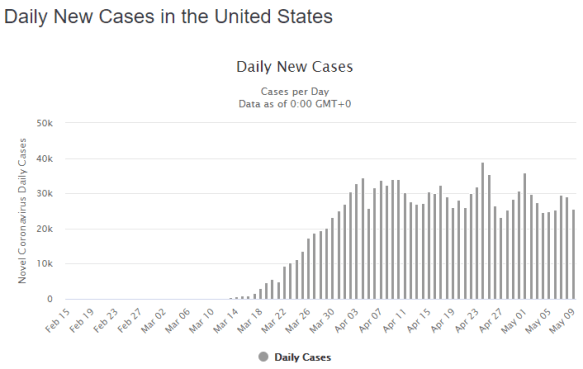
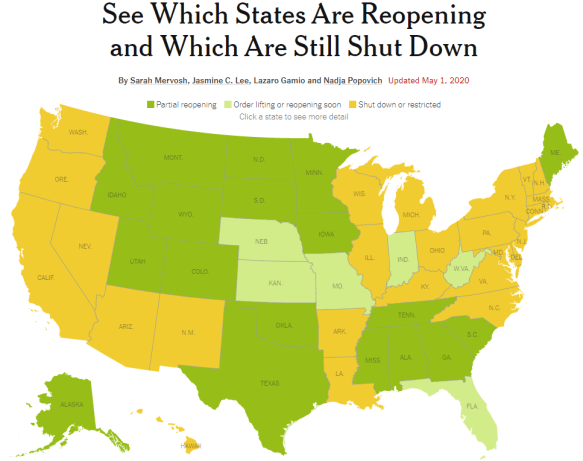
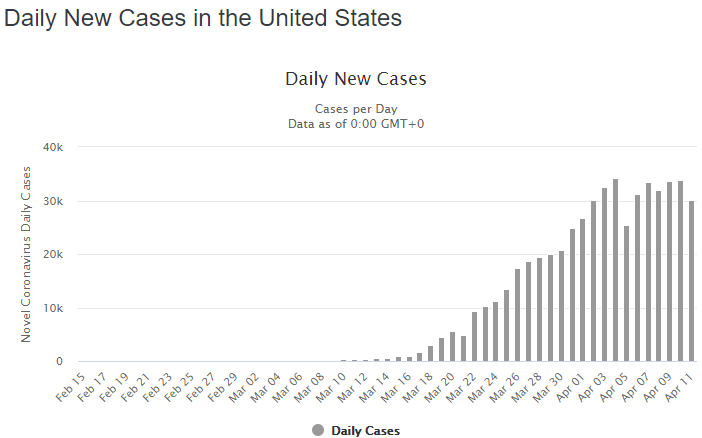
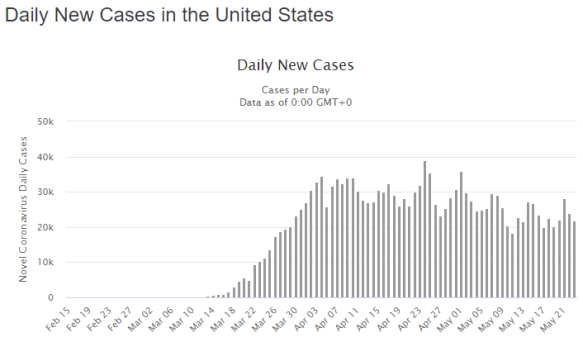
As new daily coronavirus infections in the U.S. continue to fall and the U.S. economy continues to reopen, it is important to think about the broader implications of the pandemic, among other things with respect to foreign policy.
Clearly our biggest economic and military competitor, and the biggest threat to worldwide political freedom and democracy, is China. George Friedman, founder of Geopolitcal Futures, has given an excellent analysis of our relationship with China:
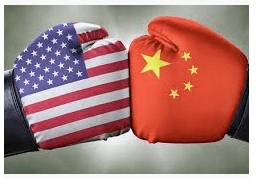
- U.S. investment in China has been critical to China’s industrial development, as has been our import of Chinese goods. Thus imposing tariffs on Chinese goods entering the U.S. has been a big blow to the Chinese economy.
- China is taking a great deal of criticism for letting the coronavirus crisis start in Wuhan and then break out of Wuhan and spread around the world.
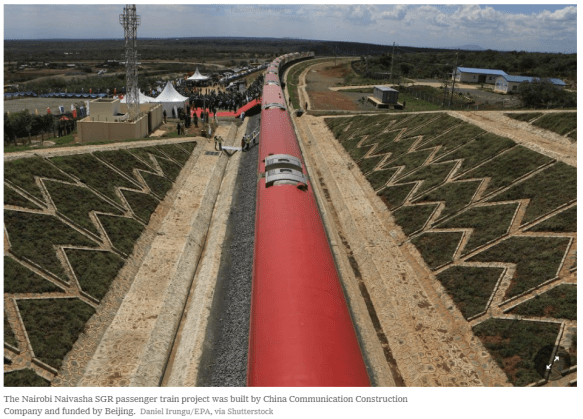
- China’s trillion dollar Belt and Road initiative is now causing huge anxiety around the world as poor countries are struggling to repay their loans from China.
- China badly wants a better economic relationship with the U.S. while wanting the U.S. to accept its desire to dominate the South and East China seas.
- But China also faces hostility from nearby neighbors such as Japan, South Korea, Taiwan, Indonesia and Australia.
- China benefits if the U.S. gets overly bogged down in other parts of the world but, in fact, the U.S. is trying to cut back involvement in Middle East countries such as Afghanistan, Saudi Arabia and Syria.
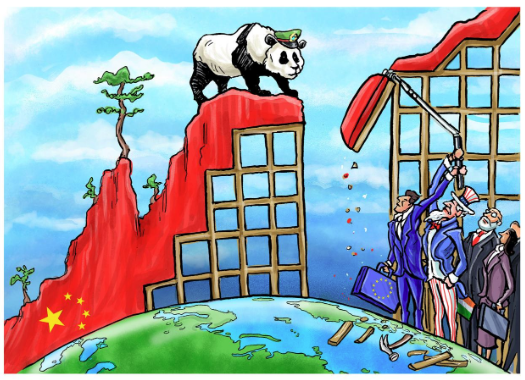
- One possible response to the coronavirus pandemic is for the U.S. and other countries to diversify supply chains which are overly concentrated in China. This will hurt the Chinese economy.
- All of these factors mean that the U.S. has a lot of leverage with China to be more accepting of U.S. imports as well as ending the theft of U.S. intellectual property.
Conclusion. In the ongoing competition between the U.S. and China for world military and economic dominance, the U.S. has many strengths and should be able to maintain the upper hand for many years to come.
Sign-up for my Email Newsletter
Follow me on Facebook
Follow me on Twitter