
“another form of bias: the soft bigotry of low expectations” President George Bush,2000
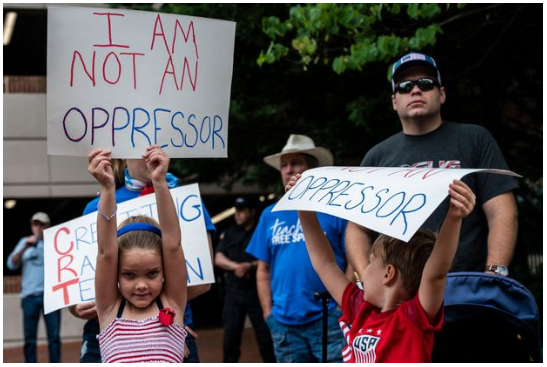
According to Critical Race Theory, the United States is dominated by white supremacy and systemic racism and CRT is now taught in many public school systems.
On the other hand, the Wall Street Journal columnist, William McGurn, asks “Is it okay that black eighth-graders aren’t proficient in math and reading?” He examines 27 urban school districts listed in the Trial Urban District Assessment of the National Assessment of Educational Progress for 2019 (before Covid).
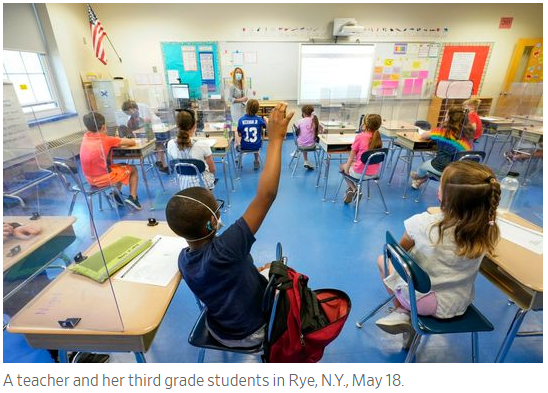
The top average reading score, in these 27 urban districts, for black 8th graders, was 20% proficient for Boston MA. The top average math score was 24% proficient for Charlotte NC. Many cities had much lower scores. For example, in Detroit MI, black achievement was an abysmal 4% proficient for math and 5% proficient for reading. Some of these 27 districts have the highest annual spending per pupil in the country, for example, $28,004 for NYC, $25,653 for Boston, $22,406 for the District of Columbia, and $17,112 for Atlanta.

Let’s agree that Critical Race Theory and Black Lives Matter have increased public awareness of challenges faced by African-Americans in today’s society. There are indeed remnants of the systemic racism which existed before the Civil Rights movement of the 1960s and 1970s. But their primary challenge today is economic in the sense that average income is significantly less for blacks than for whites.
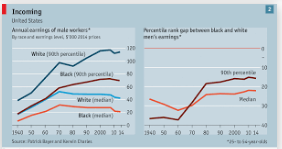
The best way to meet these challenges is to:
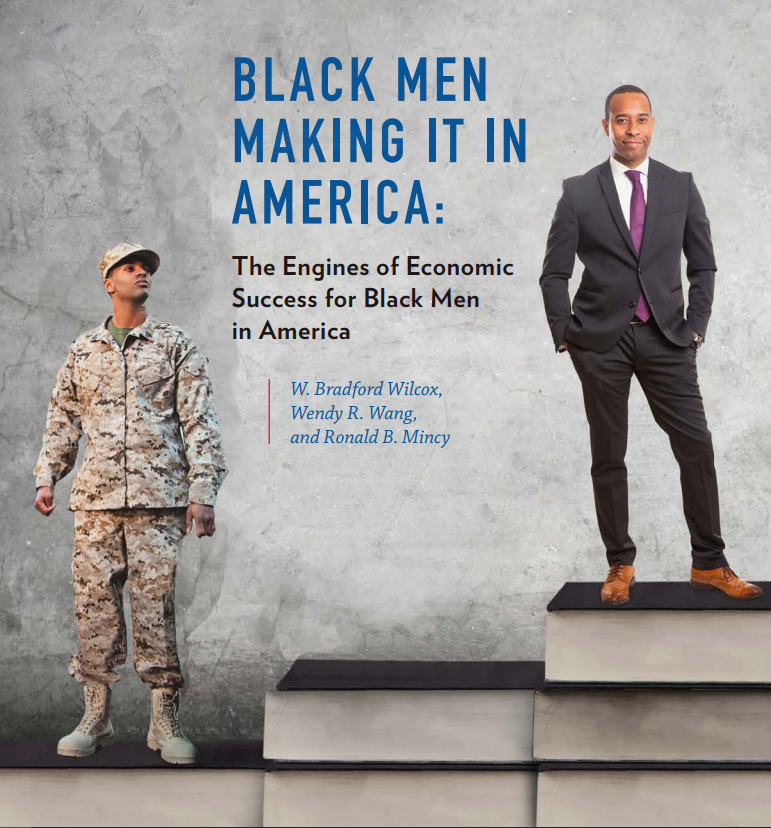
- First of all, recognize that African-Americans are already making much social and economic progress.
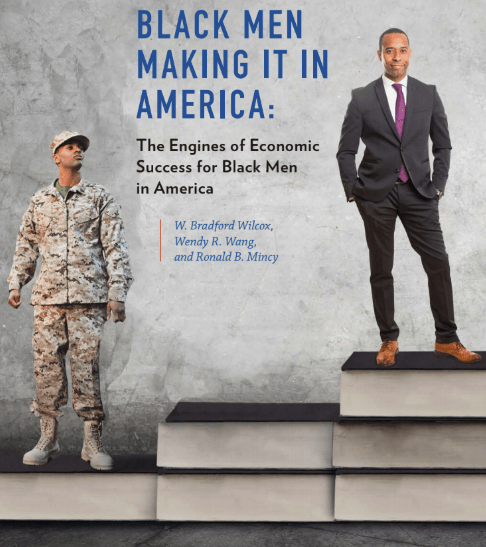
- Secondly, focus on the academic achievement gap by providing early childhood educational opportunities for all children from low-income families, to make sure that they are ready for school when they enter kindergarten.

- Thirdly, use government programs to improve economic opportunity for all members of the working class.

Conclusion. Basic academic proficiency for African-American children is abysmal in many of our large urban school systems. This is the worst form of structural racism still existing in the U.S. It is holding back further black economic and social progress. This huge problem can be addressed, however, if only national leaders would give it priority attention.
Sign-up for my Email Newsletter
Follow me on Facebook
Follow me on Twitter













 It Does Not Add Up