
As Congress turns its attention to tax reform, there is a clear bipartisan consensus on the fundamental principles to employ, see here, here, here, and here.

For example:
- Promote growth and increase wages for working families
- Modernize our outdated business and international tax system.
- Rely on reasonable economic assumptions
- Make sure that any rewrite of the tax code is revenue neutral
The Tax Foundation has outlined several different approaches to tax reform which meet the above guidelines. Their Option A is especially attractive:
- The corporate tax is reduced to 22.5% and full expensing for business investment is allowed.
- GDP increases by 7.1% long term which translates to a .7% increase per year for ten years, which is substantial economic growth.
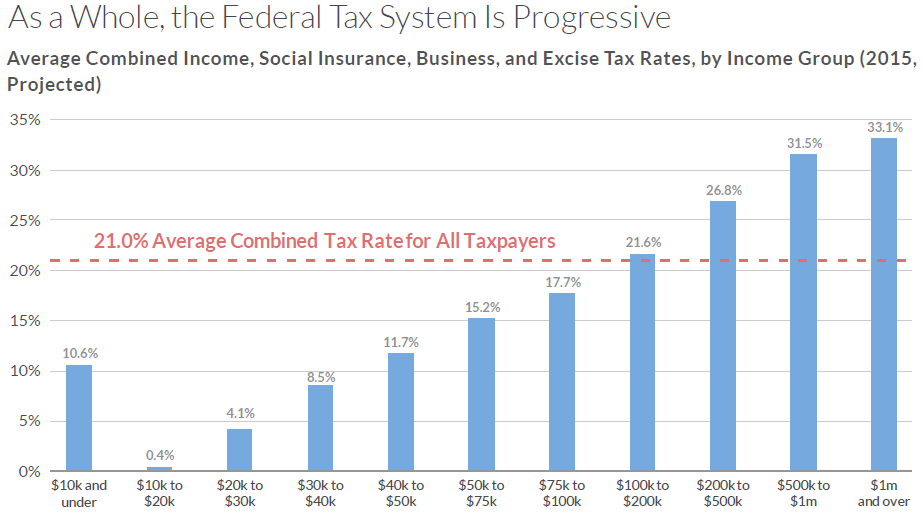
- All income groups, except for the top 1%, will see an after-tax increase in income.
- Individual Tax brackets are consolidated into the three rates of 12%, 20.5% and 37% and the standard deduction is nearly doubled (from $6350 to $12,000).
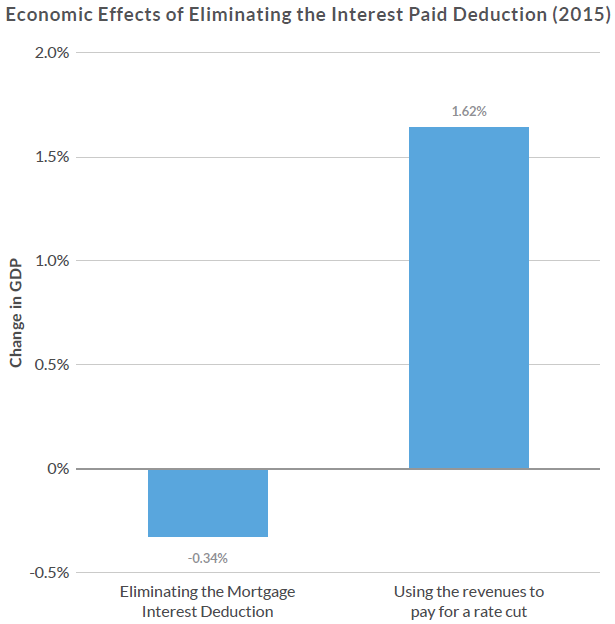
- All itemized deductions are eliminated except for home mortgage interest (limited to $500,000) and charitable contributions.
- Capital gains and dividends are taxed as ordinary income with individuals being allowed to deduct 40% of qualified dividends and long-term capital gains.
- The estate tax is eliminated.
- This tax plan is revenue neutral on a static basis.
Conclusion. There are many attractive features in this plan. Being revenue neutral, with strong economic growth, means that the increase in tax revenue will shrink our huge current annual deficits. Only the very wealthy top 1% of taxpayers will see their income (slightly) decreased. The substantial decrease in the corporate tax rate will incentivize multinational corporations to bring their overseas profits back home for reinvestment.



 It Does Not Add Up