
My last two posts, here and here, have pointed out the folly of the tax plans of the presidential candidates from both parties:
- The Republican plans would stimulate the economy but at a cost of huge increases in the national debt, even using dynamic scoring to take into account the growth effects of these plans.
- Raising the top tax rate to 50%, a Democratic idea, would bring in $100 billion per year, but this is not enough to either make a big dent on budget deficits or lower income inequality appreciably.
 The Tax Foundation has just published an excellent guide to income tax policy which makes several good suggestions for using tax reform to boost the economy:
 - Eliminating the deduction for state and local taxes would raise $81 billion per year. Using this revenue to reduce individual income tax rates would grow the economy by 1.77% of GDP over 10 years.

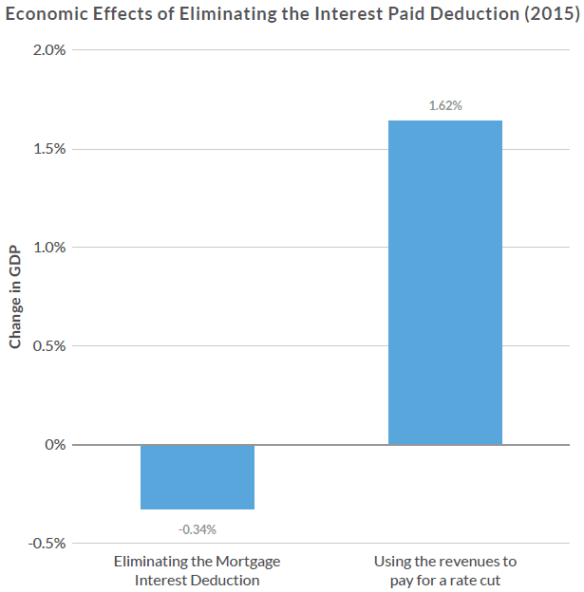
- Eliminating the mortgage interest deduction would raise $75 billion per year. Reducing individual tax rates by the same amount would grow the economy by 1.61% of GDP over 10 years.
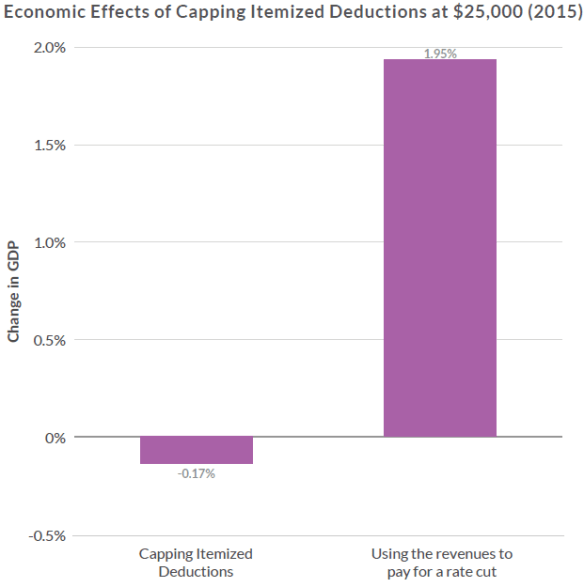
- Capping itemized deductions at $25,000 would bring in $188 billion per year. Reducing individual tax rates by the same amount would grow the economy by 1.99% over ten years.
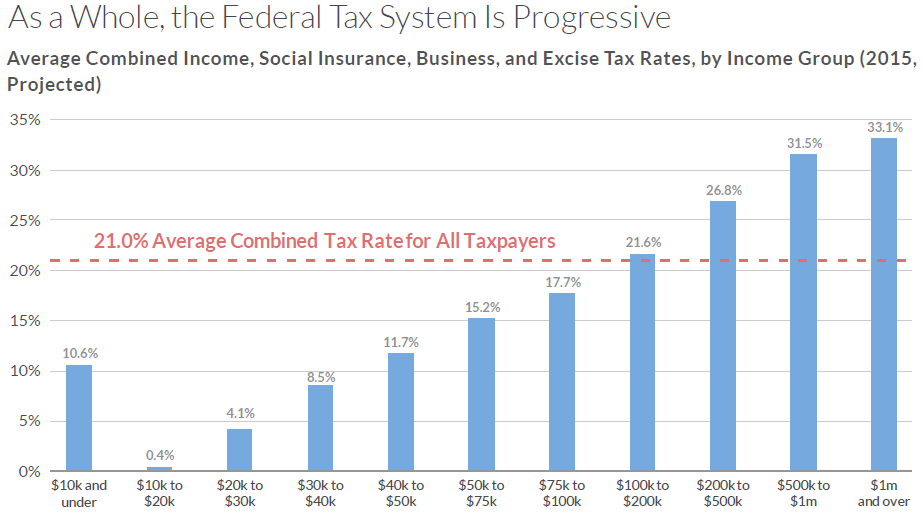


Sensible, i.e. revenue neural, tax reform will do wonders for the economy as this study from the Tax Foundation shows. It will bring in more tax revenue to help pay the bills. It will raise salaries for the already employed. It will create new jobs for the millions of unemployed and underemployed people who want them. It will thus reduce income inequality by increasing the wages of people on the bottom. Why is this so hard for so many people to understand?
Follow me on Twitter: https://twitter.com/jack_heidel
Follow me on Facebook: https://www.facebook.com/jack.heidel.3









 It Does Not Add Up